
Madhur Srivastava
Explorer | Traveler | Book Worm | Writer | Photographer

Life is a waste of time, time is a waste of life
Get wasted all the time, and you will have time of your life
- Billy Connolly
Photography
Instead of Thousand Words


Travelogue
In Tryst With Every Inch
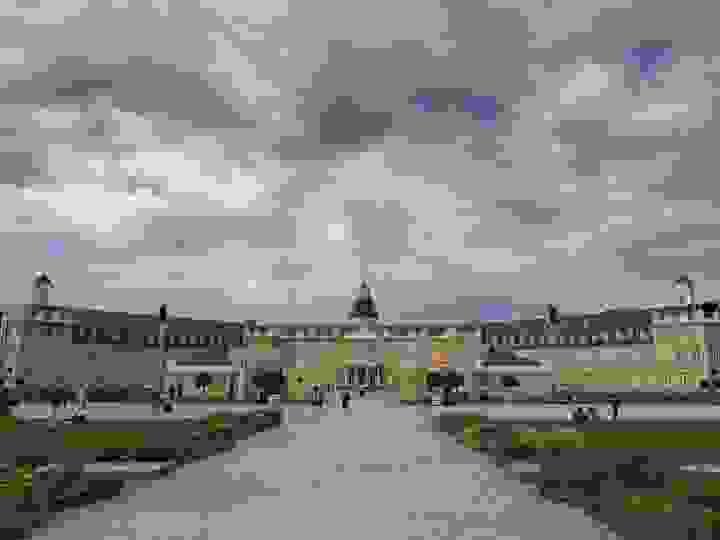
Karlsruhe, Germany
Picture: Castle
Just across the border from the Rhine river lies a small college town of Karlsruhe. Sandwitched between Heidelberg in Germany and Strasbourg in France, Karlsruhe is unglamourous yet very attractive town. It is clean, residents are well dressed and there are plenty of young people, thanks to the Karlsruhe Institute of Technology. Surprisingly, everyone in the town is comfortable in speaking English, contrary to the general reputation of a German city. It seems to have everything one desires for peaceful and happy life. Plenty of nature, walkable city, lively city center, libraries, and friendly people. It is boutique town with elegance and quality of life of a large city.

Strasbourg, France
Picture: Train Station
While visiting for a conference in the city, a colleague suggested me to visit the European parliament. Little did he told the city itself is a world heritage site. Strasbourg embodies the life and times of the medieval age, barring all the violence and barbarism! The roads are narrow, canal encircles the city, shops closes early, ice creams are the tastiest, and every corner of the city is picturesque. All the roads lead to the famous (and huge) cathedral, which I believe is the envy of the other christian cities. Residents bike, walk, use Tram, and speak French. But many names in the city can sound German, as it is just a stone throw away from Germany, a former occupier of it.

Abu Dhabi, UAE
Picture: Sheikh Zayed Mosque
The future has been seen, it is Abu Dhabi. The UAE capital is epitomizes modernity in its fullest sense: beauty, architecture, infrastructure, culture, transportation and housing. It looks that the rulers of Abu Dhabi are determined to bring the world there. No cuisine unfound, no world-wide brands absent, and no nationality missing. Boasting of several tourist spots such as Lourve museum, it is the Zayed Mosque, the Aquarium and the Presidential Palace stands out beyond measure. The rulers not just have the wealth but also the taste for luxury and delicacies. While it is desert, it feels like none. It is easy find water everywhere, but almost impossible to spot a camel.

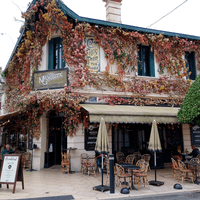
Bordeaux, France
Picture: Victoire Place
Bordeaux is not the city that comes to mind when someone says France; the honor usually goes to Paris or Nice. But this mini-Paris located next to the Atlantic ocean, is full of surprises and history. I was travelling to the city to visit a collaborator and never expected much, only to be proven wrong with the medieval architecture, night-lit city, wine region (including a museum dedicated to wine history), authentic food, and eye-catching scenery of river Garonne passing through the city. Not commonly known, even to French, that Bordeaux was part of British empire for some period, who converted it into wine region to avoid purchasing French wines! What an irony!
Podcasts
Periodicals and Special Series

Weekly

Monthly

Daily

Daily

Seasonal
Special Series
Special Series

Weekly

Weekly

Weekly

Weekly

Weekly

Weekly
Weekly

Weekly

Weekly

Weekly

Weekly

Monthly

Weekly

Special Series

Special Series

Special Series

Daily

Special Series

Weekly

Special Series

Special Series

Special Series

Special Series

Special Series

Special Series

Special Series

Special Series

Special Series
Knowledge from Podcasts

Lifestyle Changes: Slowing cognitive decline
- Eating healthier - Fruits and Vegetables
- Staying socially engaged
- Exercise - Sit less, move more
- Good Sleep
- Dental Health
Breathing: Improving brain aging and cognitive health
- Breathwork - Slowing breathing
- Yoga
- Chanting Meditation - Paces Breath
- Listening Soothing Music
- Singing and Humming

Focus
How to Change a Habit:
- Create a Physical and Mental barrier to the habit
- Replace the habit with another activity
Physical Boundaries:
- Keep phone out of bedroom
- Use alarm and clock
- Read a Physical Book
- Walk in Nature
Book Series Reading: William Dalrymple
Reading: White Mughals
Read: Return of a King, The Last Mughal,The Golden Road; The Anarchy; Koh-i-noor.
To be Read: Nine Lives; City of Djinns; From the Holy Mountain; In Xanadu.


Reviews
Books and Cinema

Papyrus
It is said that books are humans’best friends, where and how did they come from is a mystery to many. The journey from the stone tablet to electronic tablet is largely unknown, especially the shape shifting nature of books. Imagine time traveling to 800BCE and asking for a book and getting a stone thrown at you. Provided that one is still alive, the stone will reveal whether it is a book with inscriptions, or just an angry homo sapiens irritated by literacy. Or perceive asking for a book in 21st century and getting a downloaded file to read or listen from the literacy agnostic computer, but this time at a less danger of losing one’s life! The journey has many facets from the forms the books had to the way they were produced and stored to what was written on them to how they survived so many centuries. Despite periodical censorships, the staying power of books have proven resilient.
On the materials the books arewritten define their purpose, too. Writing on stone is hard, so is removing it. They serve an excellent source for storing information, mostly accounting facts in limited space. The reader has to come to the book, so the information better be valuable! Compare this with scrolls used in the pre-modern era, where one can write several things from announcements to treasury matters to poetry, but they can easily be destroyed, recall the famous burning of Alexandria library. It was also painstaking to reproduce them, requiring hand written copying. The materials required to produce them, from paper to cloth to animal skin were scarce, too. Hence, the mass production was not the norm until the advent of printing press and mass production of paper.
The books were commissioned byindividual owners and private collection reflected wealth and social status. Library system rarely existed, and in the cases when they did, can only be maintained by the state resources. Think about cataloguing the books and searching them without any cover! Bookstore were the place for commissioning the books, similar to walking on a tailor's shop to make clothes.
Literary was the luxury few canafford, so reading the book aloud was the best way to communicate the information. Like politicians and the media persons of today, one had to believe what the speaker said. Fact checking of book contents was possible, but rarely used due to the minor inconvenience of illiteracy (and physical strength to snatch the scroll from the speaker!) Copying was fine, as intellectual property didn't exist back in those days.
Fast forward, the physical books, e-books and audiobooks seem novel concepts, but in reality, they are combinations of the features evolved through centuries. It is difficult to burn a library today, but the e-books can do the same removing them or denying access. Romans would be unimpressed by the modern technology of audiobooks, as it was part of their daily life, expect for the fact that voice came from a man rather the computer. Physical books, while changed from scroll to codex format with hardcover, title and table of contents, still have few percentages of population reading them. Transporting them is still a problem; try switching apartments or home!
Irene Vallejo brings to light thejourney of books in this must-read book "Papyrus". The anecdotes and storytelling are mesmerizing and calling it is a page-turner would be an understatement. Some content is revealing: Adolf Hitler and Mao Zedong, both were avid readers of books, and also the biggest supporters of censorships. Some is hilarious: the trial went ahead according to the independent judiciary of the time, despite the minor inconvenience of the death of the accused. The book contains endless number of other book recommendations.
The book belongs to the classics.

Edible Economics
While all economists are wrong, someare useful and entertaining. Such is the case with the book "Edible Economics". It gives a primer of various economic concepts and justifies them with selective facts. However, the justification is well-reasoned and respectable. Coming from a left leaning perspective, it favors government intervention, and at the current time of high inflation, the arguments does seem compelling.
More than the topics, it is theauthor Ha-Joon Chang and how he narrates each story is where the fascination of the book lies. Picking an edible vegetable, fruit or condiment, the author describes its history and its relation to a culture; sometimes its commercial value and trade association. One learns a lot about these edible items and subsequently an economic trait or policy that resembles a similar life.
Who thought that term "Banana Republic" is actually linked to banana trade in the Central and South America. Or strawberry is not a berry, but tomato is! Chicken is neither loved or hated, but still is omnipresent, revealing the sustainable power of remaining non-controversial. Or varieties of noodles and pastas that are unheard of; going viral doesn't seem to be their strong suit!
The stories are narrated in shortchapters, which makes the book easily readable and a definite page turner. One may not agree with each economic argument presented, but it definitely provides food for thought!
A person unfamiliar with basiceconomics will find it useful for gaining valuable insights with nice anecdotes. One may also surprise friends and family with newly gained knowledge, especially if one doesn't currently belong to the elite club of economic discourse at the family table.
Animal Farm
Is hierarchy embedded in thesocial fabric where one segment of society dominates others? Or is it possible to have equality in principle? More importantly, what is equality? Is it in the freedom of expression, equal income or equal access to resources? There is a saying that everyone can be equally poor, but not equally rich.
This book Animal Farm brings thequestion of equality at the forefront. Set Imperialism against Communism, the book reveals how hierarchal structures evolve from an equal one. More importantly, though a bit subtle, the book illustrates that courage of some and silence of others play an essential role in developing such structure. Lack of education and fear also contributes.
Further Hidden in this classicbook by George Orwell is the fact whether equality is fair. What is one works harder than others, or is more productive, yet receives same remuneration? The cat in the book always evade work but still gets unrestricted access to food, while the horse labors all day with no privilege access.
This question is more importantthan it initially seems. It is not restricted to the type of government one pursues, i.e. democratic, imperialistic and communist, but expands its footprint to economic structure from capitalism to socialism to communism. It also encompasses modern businesses. Should there be managers, CEOs and shareholders in a company? Or cooperative model or other non-hierarchal structure can equally deliver job growth and profits?
Written in a satirical form, the book shows that merely ousting a dictatorial regime is not enough, the rebellion needs an alternative form of structure that can be sustained with checks and balances. As in the end the book amusingly states “All people are equal, but some are more equal than others.” Or as a French saying goes, “More things change, more they remain the same.”
George Orwell’s novel have a habit of being real to every generation, despite being written decades ago. This short novel is a page turner. Not sure why it was rejected several times before eventually being published. I guess that is the story of all great novels.
I couldn’t have read this book at better location: during a flight from New Delhi, India to Tokyo, Japan, via flying over China. Three different countries, three different systems, and one hell of a reading.
Joy at Work
Albert Einstein once allegedly said,"If a cluttered desk is a sign of a cluttered mind, of what, then, is an empty desk a sign?" While jury is still out if Einstein ever uttered these words, but if he did, Marie Kondo and Scott Sonenshein would not approve of it. In this book, duo precisely argue the opposite, and they seem to be right. Organizing office has always been a challenge, not because it cannot be done or occupant doesn't want to, but because it is a functional space. Unlike Presidents and Governors, whose job seems to be posting pictures of signing papers on their desks, common mortals actually have to use their office space to get work done. And unlike leaders of the free and not-so free world, one can only wish the luxury of well-dressed staff who can clean or organize the workspace during and after work hours.
The challenges of functionalworkspace are plenty. There is a constant inflow and outflow of files, people, and sometimes food. With changing priorities and timelines, the importance of tasks continuously varies, making organization of workplace herculean. No wonder many people who start with a well-organized office struggle to maintain it. And once files and other materials start piling up, there is no going back. The question then remains is it worth reorganizing if messiness will reemerge, that too within a short duration. The answer to that question is "yes". Untidy workspace affects motivation that eventually results in poor work productivity. People spend a substantial amount of time in their office and with colleagues, and being miserable during that time is not a good idea. Nobody has ever said that untidy workspace brings them joy and they feel inspired to do quality and productive work. Even Einstein have to be well organized to carry out several pages of mathematical proofs for his "General Theory of Relativity", and by relativity he didn't mean relative cleanliness!
Now the question becomes"how" to get it done and maintain it. This is where the book "Joy at Work" comes into the picture and provides good strategies. For example, it is best to organize workspace when colleagues are not present, by either coming early to work or spending extra time in office in the evening. Tidying things up in the morning is the better option, as it leads to the feel-good factor that can really make your day at work. However, the mood-boosting effects of cleaning in the evening may lead to reenergizing romantic life and/or better sleep, an age-old problem faced by many. What to keep and what to throw depends on upon their utility and happiness that comes in having them. Unlike home, some things in office may not spark joy, but are still essential for day-to-day activities and should be kept at safe distance. These may range from paper weight to the current boss.
While traditional desk-related workis diminishing, digital workspace and scheduling online meetings are playing increasing role. The book rightfully delves on it and translates decluttering to digital domain, which may be a bigger problem nowadays. This is because the physical space has definitive storage limit, after which things need to be let go. No such situation exists on digital space in the era of cloud computing, especially if employer is covering all the costs. It becomes essential to appropriately store and catalogue files, as well as manage tasks in the world of emails, online meetings, and digital communication and file sharing.
The best strategy seems to be the reorganization of the office space at regular intervals, such as weekly, monthly or even quarterly, and have functioning plan to maintain the workflow within the organized space. Some decluttering will bring adrenaline rush, others may seem like changing diapers, necessary but of no immediate or future value.
In the world of hybrid work wherelaptop sits in the kitchen table next to snacks and where one has to simultaneously meet demands of both boss and spouse, the strategies mentioned in the book may need some improvisation, but the underlying concepts remain the same. When working from home, breaks between meetings may be an opportune time for activities related to family planning. But the desired outcome will bring trouble of its own with toddler constantly distracting and creating mess. Changing diaper may then look like a relief. Merging tidying strategies for home and work may yield some helpful solutions.
There are several online productsthat can help in organizing work so that decluttering is minimized or eliminated, altogether. Calendly for scheduling meetings, Trello for task planning and management, and Canva for making presentations and storing relevant content next to the slides. Something like Slack can be both boon and bane. While the list can go on, reader can search on Google to find their relevant poison.
While tools can help organize thephysical and digital workspace, wisdom and experience of others can go a long way in having joy at work. President Eisenhower divided each task to a matrix: Important and Urgent, Important but not urgent, Urgent but not important, and neither important nor urgent. He catered to Important and Urgent, whereas delegated rest to others. Oregon's governor has two offices: one to sign papers in front of media with smiling face and other to actually work (or pretend to work). Eventually, anything that brings peace of mind will work.
The problem of cluttered officespace is widespread, so much that Marie Kondo left her regular job to follow a career as full-time consultant on tidying home and office space. She is making a fortune teaching people how to manage their mess. The book is worth the read, even though one has to pay for it for an eye-opening revelation of their messiness. For those looking for cheaper options, just look around.
PS: While some brave hearts can read this book during work hours, the best results can be achieved without getting fired is during morning or weekend.Must Watch Movies
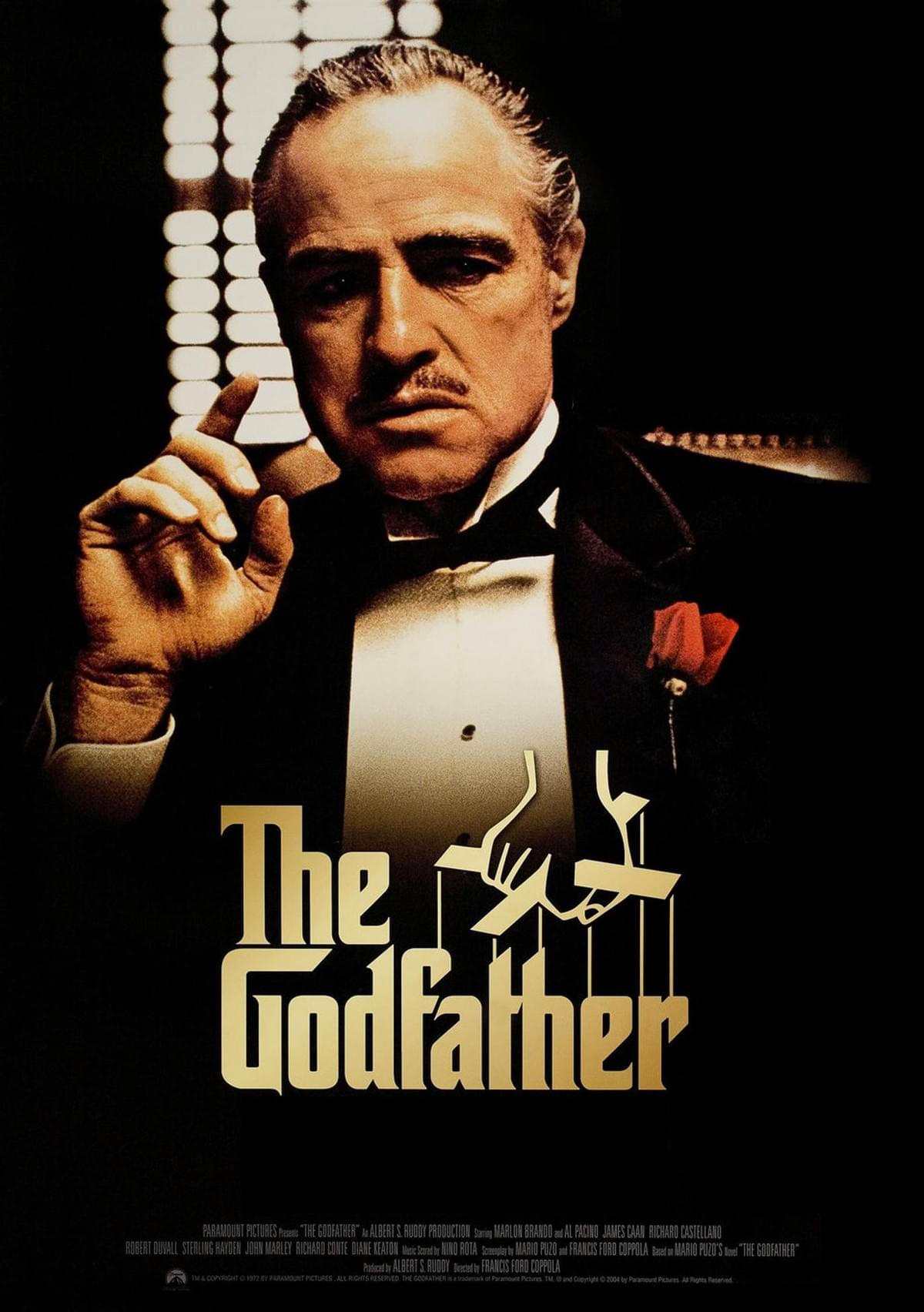
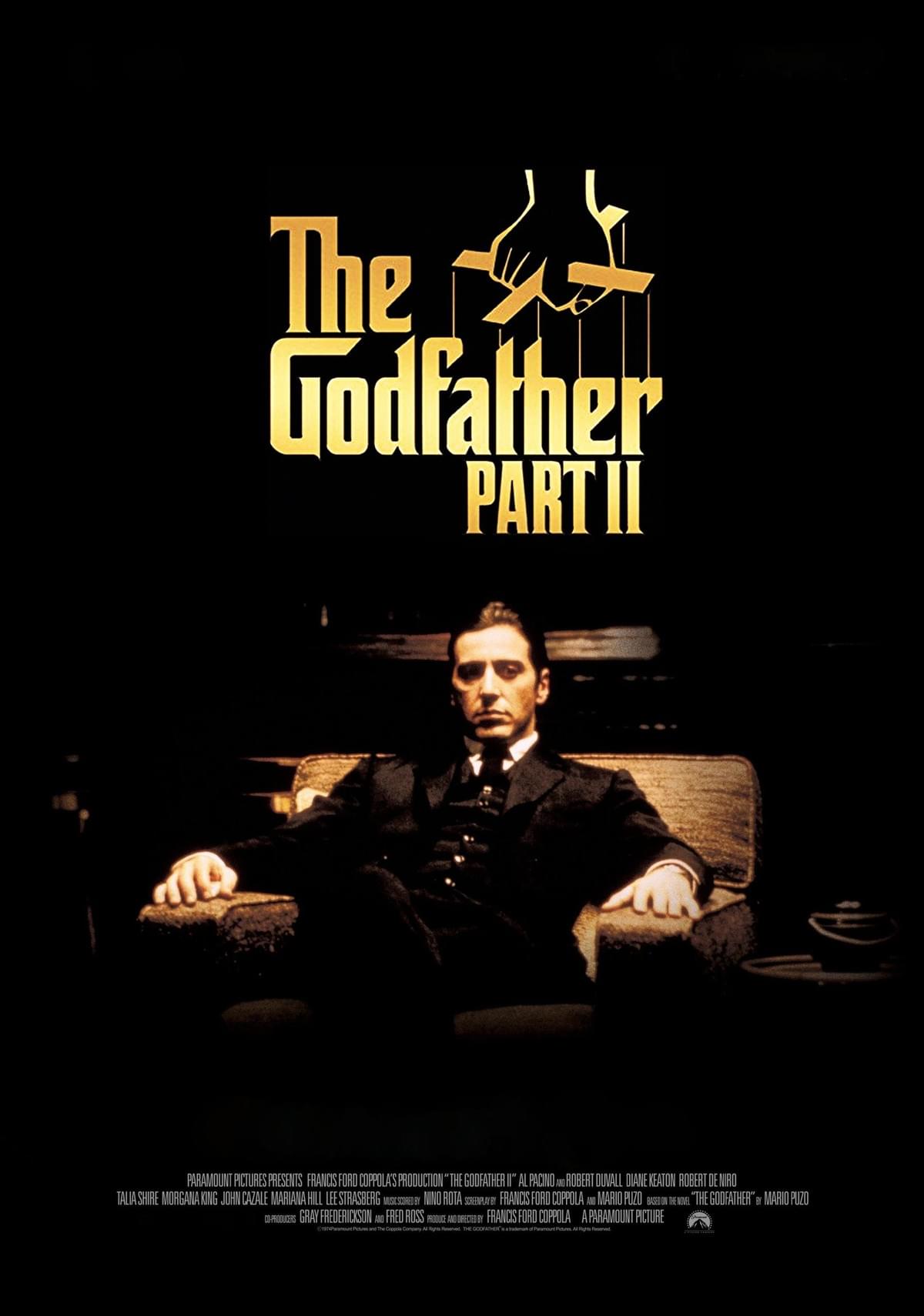
The Godfather
What is the most American movie? For the US citizens, it is debatable. For the rest of the world, it is undoubtedly Godfather, Godfather and Godfather! Produced in 1970 and set in 1950's, the movie deals with the complexities of Italian mafia family via father-son duo. Covered in the envelop of business empire, crime, deceit, family values, betrayal and promises, the movie is a recipe that illustrates strength and helpnesses at the same time. You can be the Godfather, but yet have to resign to the fate that bestows upon you.
Take Michael Corleone, the son with a military career who wants to live a normal life. He is not interested in violence, but ends up being the most violent, including killing his own brother and brother-in-law. He demands absolute loyalty, but his own loyalty in doubt. Or take the family patriarch, the original Godfather, Vito Corleone, who seems to be in control and yet fails to find out who attacked him. His aura is gripping, yet he is helpless. A family man who keeps the vows, yet betrayed by his own gang members.
The two-part movie is as American as it can get. It focuses on immigrants and their lives and their system. They trust their tribe more than the institutions. They have past that contantly begets them.
The movie is a master class that needs to be watched again and again, albeit for different reasons. First time, it is the aura of the scenes, characters and story. Second time, to understand the minute events that were set up in the past. It is like an academic paper, where one needs to go back and forth to know what is going on. And third and more times, just to enjoy each scene as it goes by. Like a Shakespearean play, it is fresh every time.Ever wondered how one's journey have traversed through time, just watch Michael sit in his dining table, smoking and remembering all the chatter and family warmth at the same time with all his brothers, sister and family members. Time passes and we become the person that we hated the most.
Must Watch Movies
Ocean's Series
Despite being morally wrong, there is something in stealing that makes everyone gets glued to it. Or why else there are so many movies on "heist". But making a movie on heist is not that easy task. The plot needs to be compelling; villian and heroes needs to be well-defined (just because you steal doesn't mean you are the bad guy; recall Robinhood); what needs to be stolen should be precious (i.e. large sums of money, antique jwellery or ancient artifact, to name a few); how it is stolen should be impossible (but our hero still accomplishes it!); the motive behind the stealing should be convincing; and most importantly, after the heist, the hero should always remain free and the villian should die or go to prison. A bit of romance or passionate sex adds to the thrill. A starcast of elite actors is a plus. Ocean series somehow manages to bring everything together. But it does more, it adds style to it and a teamwork between the thiefs that is carefully thread together with storyline and is hard to replicate in every scenario. If the male version of the series is breathtaking, wait for the female version (Ocean's 8), which takes heist to the next level.
Must Watch Movies
On Wall Street
Wall Street is both loved and hated. Everyone wants a pie of money made by the Wall street, but hated for its people and culture. The words egomanics, greed, selfishness, corrupt, and immoral are commonly used to describe the Wall Street. The following movies shows inside working of the Wall Street, both proving and disproving the popular perception. One thing that is pervasive and not mentioned anywhere is that sleep is a luxury in the Wall Street. Late night meetings are the norm and nobody complaints about 100+ hours of work week. These are both strange and admiring.
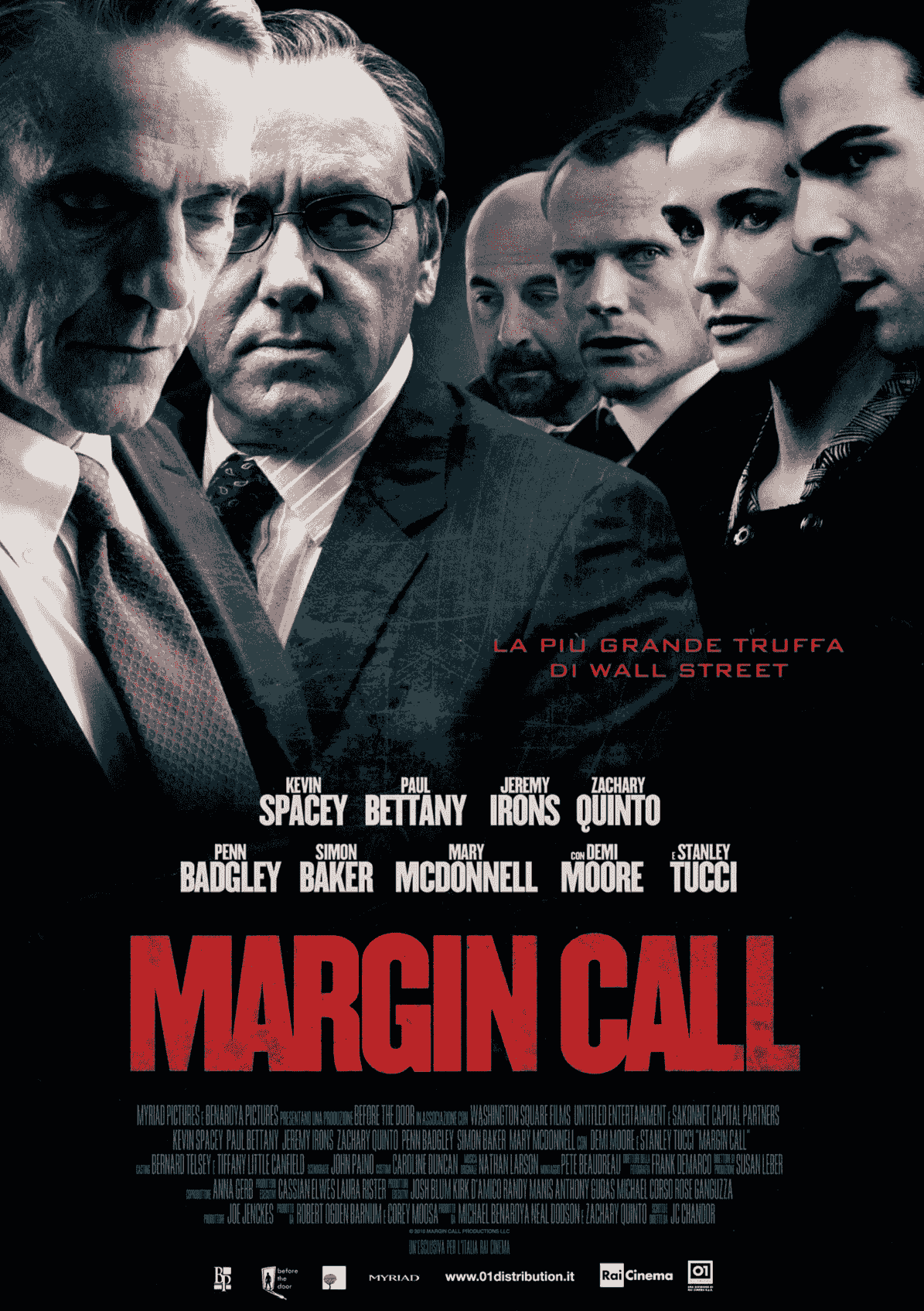
Margin Call
2011
During the 2008 financial crisis, a financial firm realizes that its exposure to mortgage is unsustainable and could lead to the firm being bankrupt. Its mortgage portfolio is practically junk, and needs to be off-loaded before other firms realize. The key is how to convince morally and ethically driven investment bankers to follow the route.
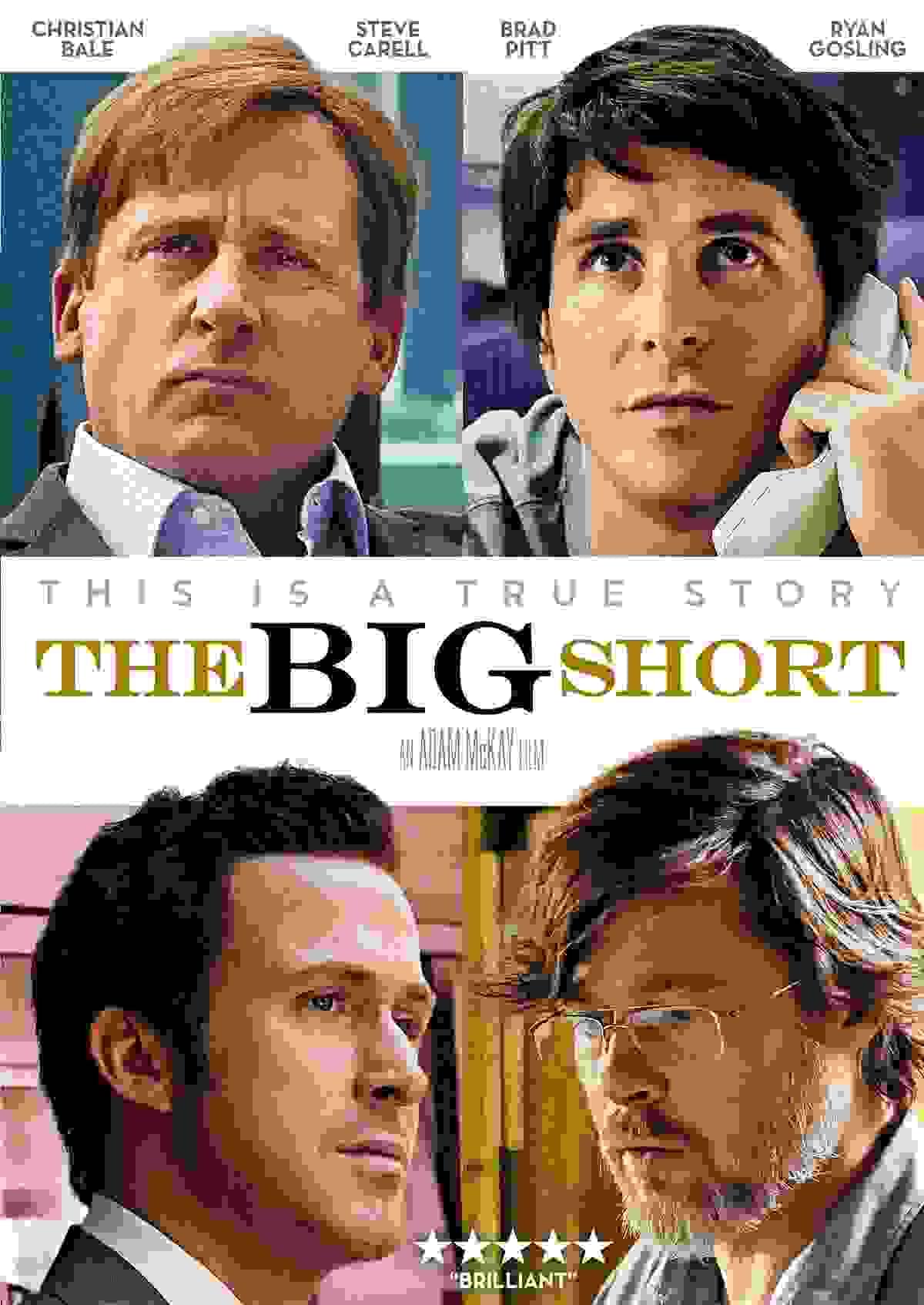
The Big Short
2015
There is always people who benefit from a financial crisis. We call them devil, but they are people who identify the flaws in the system early and risk their money betting against the market; in this case economy (2008 financial crisis). This is a story of financial insiders and outsiders who got it right, when establishment was being too clever by half.
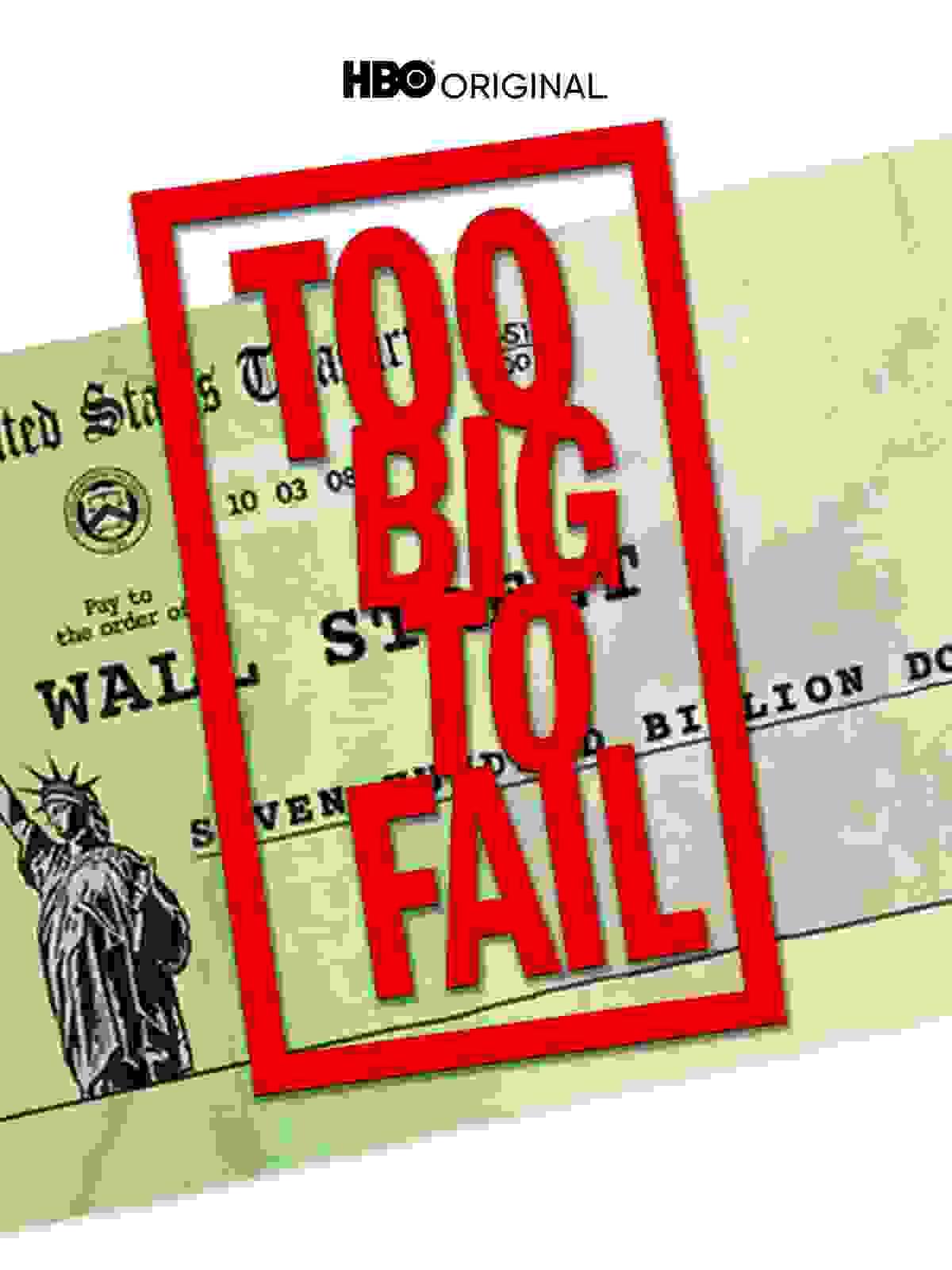
Too Big To Fail
2011
The two investment banks, Lehmann Brothers and AIG, are about to go bankrupt. They need a buyer for them, through which 2008 financial crisis can be potentially avoided. The behind the scenes drama of the real life events reveal how the financial system work. Petty the treasury secretary, who has to be both gentle and enforcing.
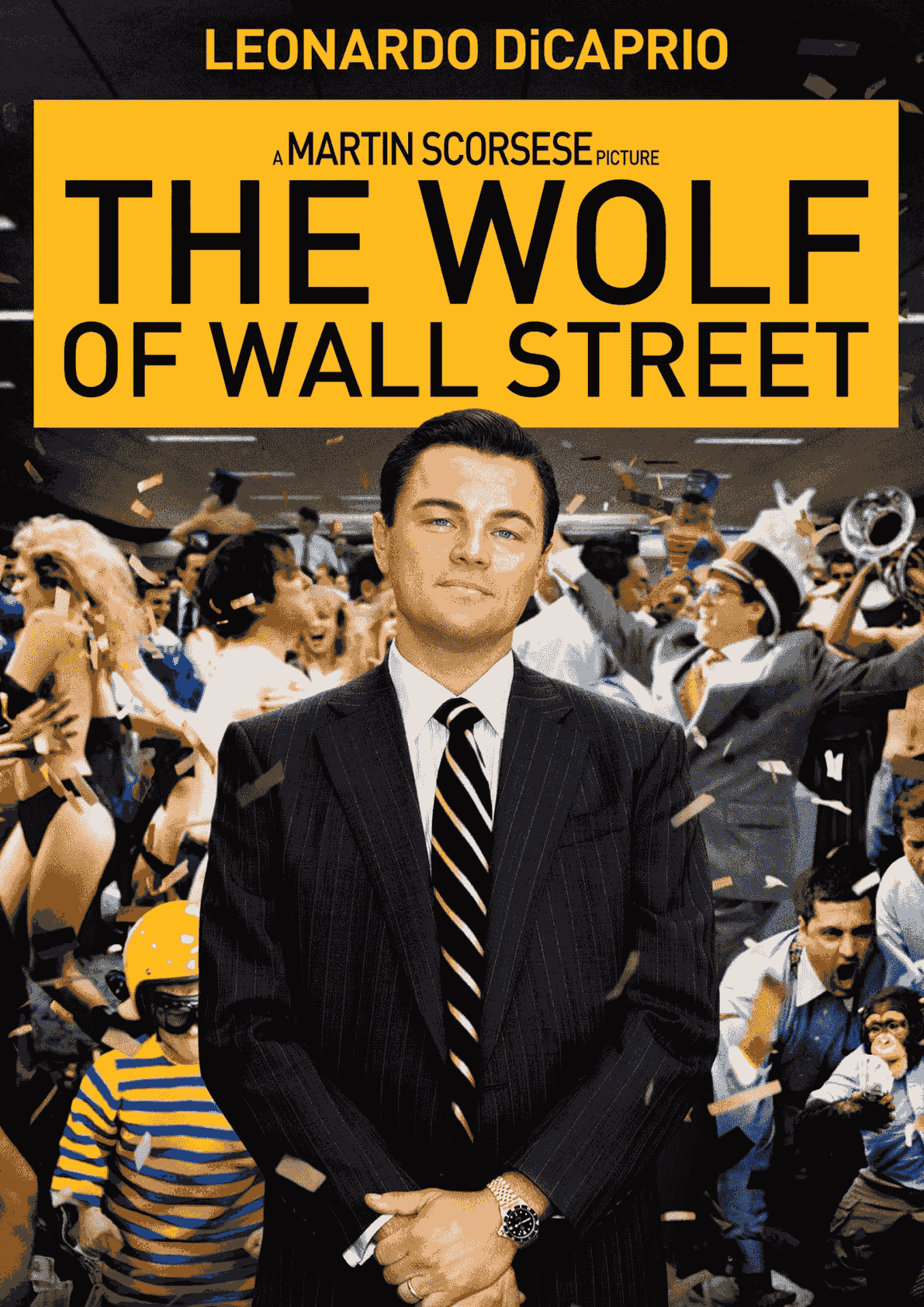
The Wolf of Wall Street
2013
Being an active investor is not for faint of hearts. In many cases, one has to do things over and beyond the law. Worst types just use the system to their advantage. This film caters to such an investor, who opened a successful firm, made a lot of money for himself and his team, but eventually lands in a prison, for all the shady things he did.
Reviews
Yellowstone, 1923 and 1883
There is a reason why the Dutton family is always grumpy in the three TV series: Yellowstone, 1923 and 1883. It is the USP (Unique Selling Point) of the drama, which makes the viewer glued to the show. In the modern day, when TV and movies are focussing on topics related to future and spaceships, Yellowstone, 1923 and 1883 takes us back to horses, cows and wolves. It is a story of a lifestyle and a family, and its struggle to protect their property, a big ranch.
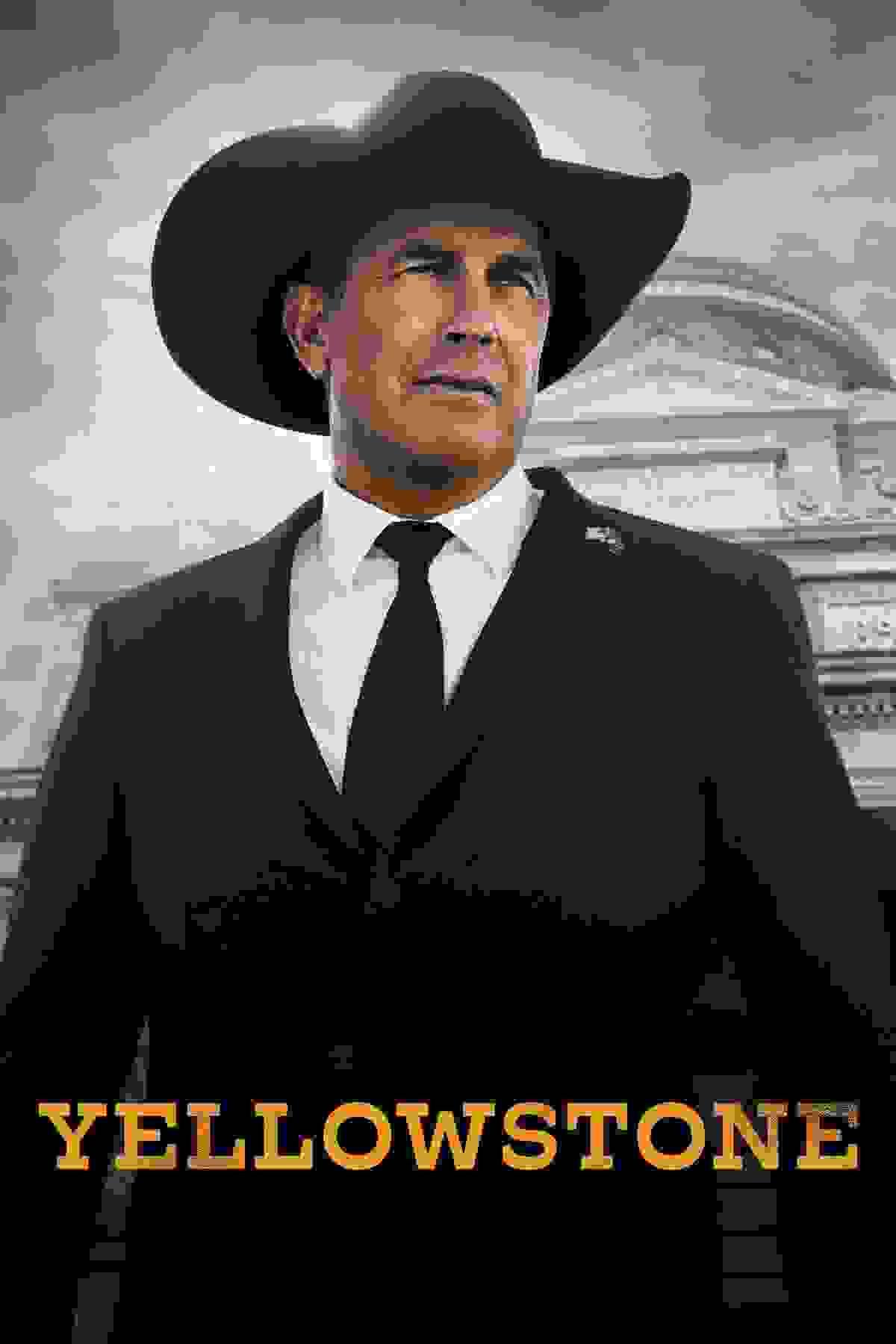
Yellowstone
Peacock
John Dutton, a ranch owner and the family patriarch, runs a loss making enterprise of raising and selling cows for beef in the State of Montana, next to the Yellowstone National Park. The ranch spans several miles with beautiful landscapes and without any modern amenities, including roads. Needless to stay, it gets attention of the California and New York businesses for opening resorts and airports, with the future same as Breckenridge, Colorado. The problem is John Dutton doesn't want anyone entering his ranch, let alone sell it, but the wealthy are determined to acquire it by any means. There is also another problem, an Indian nation, who wants the ranch back to its fold, before the Dutton family arrived 150 years ago. So the drama unravels with guns, politics, kidnapping, deaths, and legal maneuvers. Honorable crime is the name of the game. One can kill but it doesn't mean one is guilty. There is a difference between killing and murdering! Not made for a faint heart, the show is gripping despite plenty of violence, including the sexual one.
The key that makes the show unique in not the Dutton family's fight with the outside world, but its struggle within it, which adds to the complexity. No one is spared, not even the dining table where no mean if ever finished. But the person who steals the show is Beth Dutton, the daughter of John, and an insane person yet lovable. No women likes to be her but admire her, and men don't even bother coming close. She will shame you to the death. She is the only person who lives in modernity and prefers riding Bentley and Mercedez over horses. Her boyfriend-turned-husband, Rip, is the only one she rides more! Rip strangly is a cowboy.
Although Beth is a show stopper, other characters are no less important and plays there role to perfection. They all have their fans, even Tait, the grandson of John Dutton. Jokes are plenty, and dark humor is the underdog.
The show is streamed on Peacock as of 2025 and runs for five seasons. It is not for self-moralizing environmentalists or vegans. Beth will beat you to the hell, like she did to Summer, her father's part-time girlfriend who complained how can one eat "Dove", the bird of peace! If that humiliation was not good enough, Beth sarcastically suggested to her father, John, that if you want to have a hooker, at least have a better and expensive one!
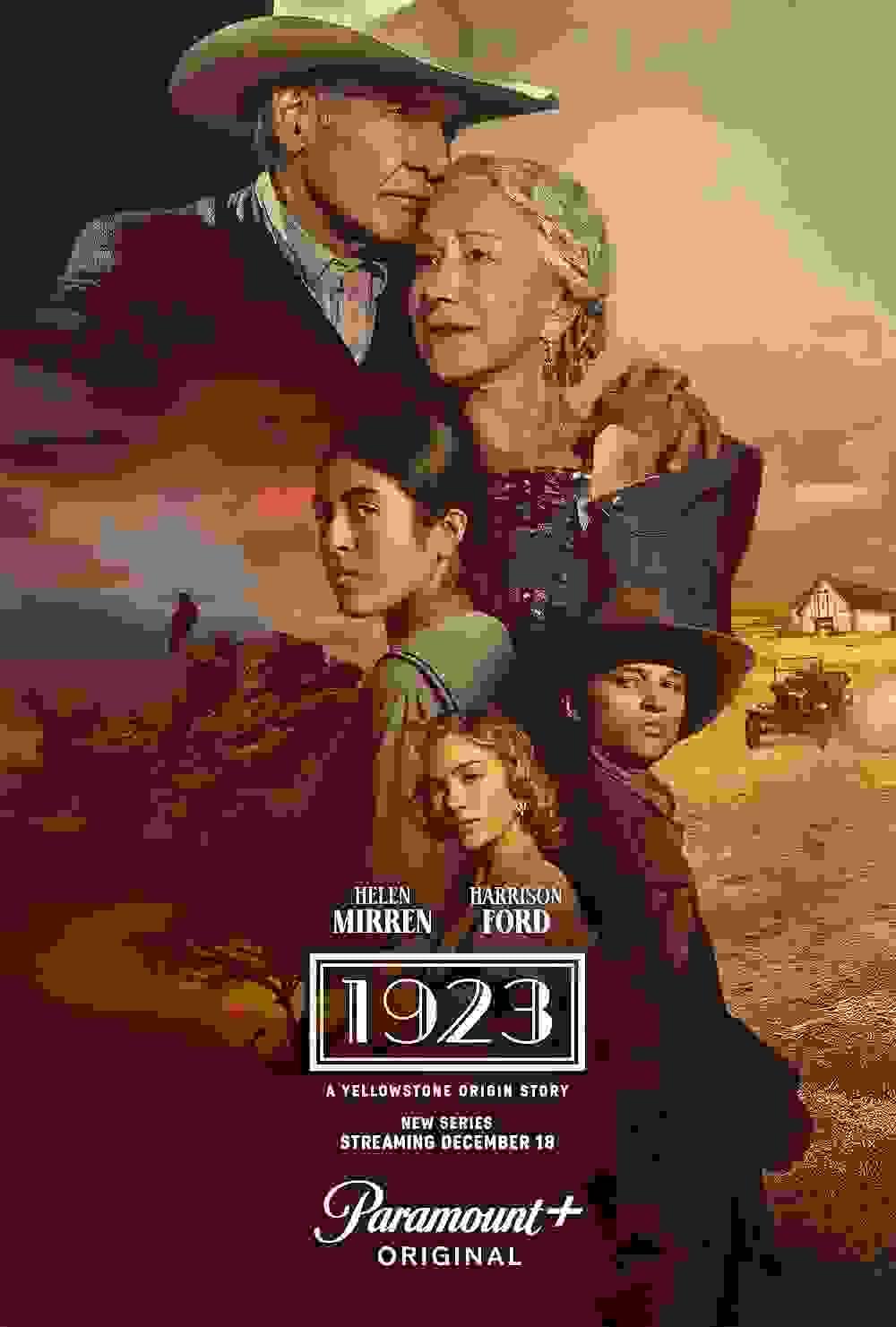
1923
Paramount+
If you think John Dutton was badass, then you haven't met his great-granduncle Jacob Dutton, played by Harrison Ford. Jacob Dutton is the family patriarch in 1923 TV Series, where he has two seasons to protect the ranch from a wealthy banker, who wants to convert the ranch to a tourist resort.
Jacob is shot multiple times in an ambush, but survives. He is loosing men and cows to maintain his land and has no source of income. His wife tries best, but they are running out of time.
There is one hope. Their estranged nephew, Spencer Dutton, who is roaming in the jungles of Africa, killing tigers and protecting British tourists. He left the ranch a while ago, but needs to return to it to save the family and the family property. The struggles of return are real, considering its 1923 and there are no airplanes. Only way is ships, boats, trains and horses; a several months of journey. The return is further complicated as Spencer is separated from his newly wed wife from a Royal family of England, which disapproves the wedding
The wife and husband separately chart their path to Montana, and finally meet in Bozemann. But they are not alone; gunmen from the banker is waiting to kill them, and the rest of the Dutton family.
An orgy of shootout happens. Who wins is not in question, after all it is the show on the Dutton family. How they win is more important and breathtaking.
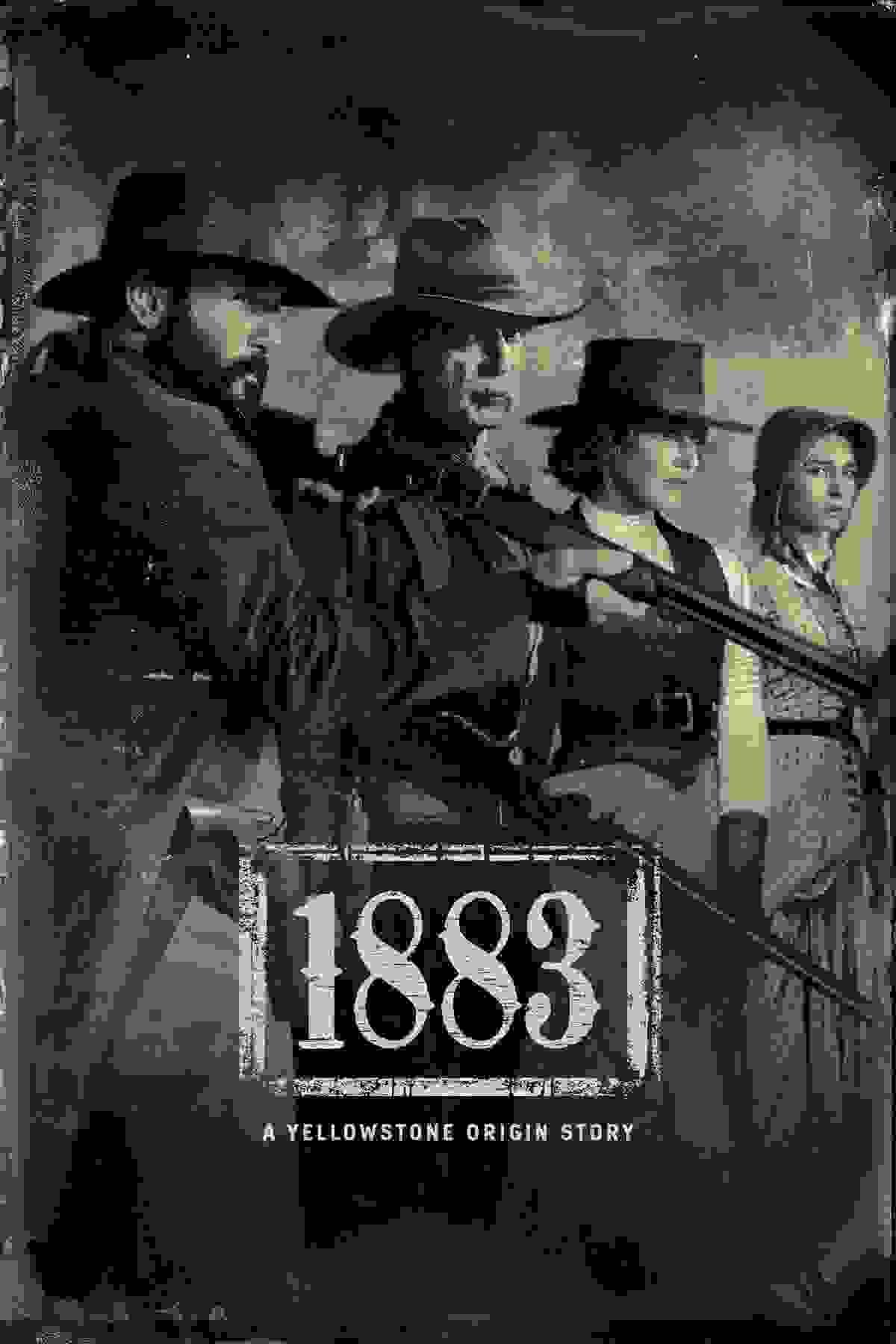
1883
Paramount+
In the Yellowstone TV Series, the Indians frequently claim the Dutton ranch belong them generations ago, before John Dutton's great-grandfather took it from them. The question may have arisen, who are Duttons and where they came from. The pne-season 10-episode 1883 answers that question.
The Duttons came from Texas, when James Dutton (Jacob Dutton's younger brother), decided to move to Portland, Oregon, with his family. He had his wife, his sister, her daughter, and his own daughter and a son. While initially planning to move alone with his family, he is persuaded to travel with an European caravan who has the same destination. The journey is arduous, and on the way he looses his sister and her daughter, and many other caravan companions.
But it not the show about James Dutton, but his daughter Elsa Dutton, who comes off her age and aid her father in the journey. She becomes the first cow-girl, dates another cow-boy (before he dies) and eventually marries an Indian.
But she also undone by an Indian tribe, who mistakenly attacks the caravan, fatally injuring Elsa. She has limited time, and Portland is far away. While most of the caravan disintegrates, the Dutton family ends up in Montana, and with the help of an Indian tribe, gets a piece of land next a river to restart their life. This is the place where Elsa decides to die, and this is the place that becomes the Dutton Ranch.
There was only one thing about the gifted land. That after five generations, the tribeman will come and reclaim the land. James Dutton agreed, but everyone else forgot. But fate had it in the last episode of Yellowstone that the land went back the Indian tribe.
Reviews
Chernobyl

Chernobyl
HBO Max
Truth is stranger than fiction. It is also unpredictable. While there have been many nuclear disasters, none have been like Chernobyl Nuclear Power Plant. It occurred at the peak of the cold war and could have destroyed a continent. The story of the disaster is essential to be told to the general public. What happened? How did it happen? How was it contained? And more importantly, what was the human cost? Both in terms of population effect and the people involved in the containment zone. There is no better way to tell the story than via cinema.
The 5-part TV series “Chernobyl” produced by HBO is a must watch masterpiece. It is bingeworthy. It is both suspenseful and factual. It covers the accident in detail, action taken by politicians (aka Soviet comrades) and role of scientists in determining the cause. The characters are real and the situation they face is unprecedented. Watching the series is like observing it in real time from a distant view. Whether it is the worry in the face of Mikhail Gorbachev, or the wife of a firefighter caring for her radiation infected husband, it is deeply personal. And deeply factual.
Killing of animals because they were contaminated is cruel and scientific at the same time. Ordered not by a politician but a scientist who cared for the future generation. The lives of people changed overnight, and they have to find a new home for the rest of their lives. An old woman who didn't leave her village since birth, despite living the fears of the two world wars, Nazi occupation and Soviet capture, had to succumb to the radiation to find a new home.
And finally, the culprit: Was it a human error or the faulty rods? While the TV series ends blaming the system and faulty rods, the answer is more profound. Shouldn't scientists consider human error when designing a reactor? Especially when the stake is high, like in the case of a nuclear power plant. These are the questions one is left wondering at the end of the series. And the thing that makes it so real and thought-provoking are the characters and the actors portraying them. I am glad that HBO made the TV series and I watched it.Reviews
True Detective
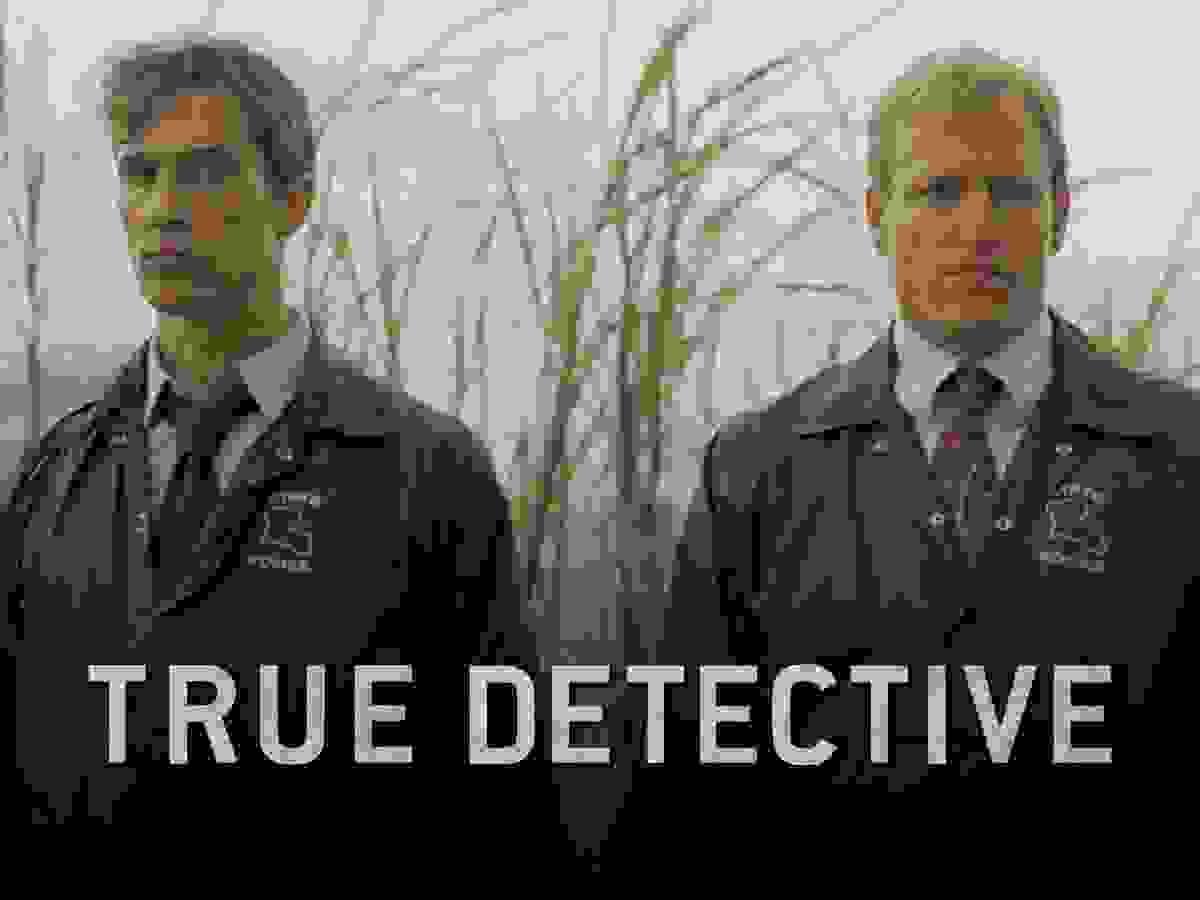
Season 1
Finding a Missing Serial Killer
One can be forgiven if they quit watching the eight-episode season in the first 15 minutes or after the first episode. It is genuinely boring; not just the first but first four to five episodes. Until one realizes they were building up to the climax. This season of the True Detective is rated highest for a reason. Unlike other detective drama, where the killer is somewhere around the ecosytem, the season tells you story from a detective's perpective, where evidence is gathered ambiguously, and one feels confused and second guessing all the time. Even detectives are under the scanner from the other detectives. The story peels through itself as new perspective arrive. Case seems to be solved, and then its seems that they have caught the wrong person. Nobody knows who is the killer until the very last. This is for people who love complex drama and have memory to remember previous episodes.
Must Watch List
Jolly LLB Series
Legal drama in Bollywood movies is all pomp and show, where Hero saves an innocent accused wrongly. But the Jolly LLB movies are a bit different. First, judge has a crucial role and is an central character. Second, the lawyer fighting are incompetent and alright morons. Third, the defence is professional and is very thorough in their case, despite being the guilty party. But the innocence of the victim and his incompetent laywer still carries the day, thanks to the judge who intervenes at the appropriate moment. "The law is blind, not the judge, who can see everything". The first movie is when a lawyer named "Jolly", played by Arshad Warsi, is fighting a hit and run case. The second movie is when another lawyer named also "Jolly", played by Akshay Kumar, fights a case of fake encounter. And in the third movie, both the Jollys team up to fight a case on fake land aquisition. What makes the movies great the opposite council, played by Boman Irani (first movie), Anu Kapoor (second movie) and Ram Gupta (third movie); three finest actors.
TV Series - Hindi
Reviews
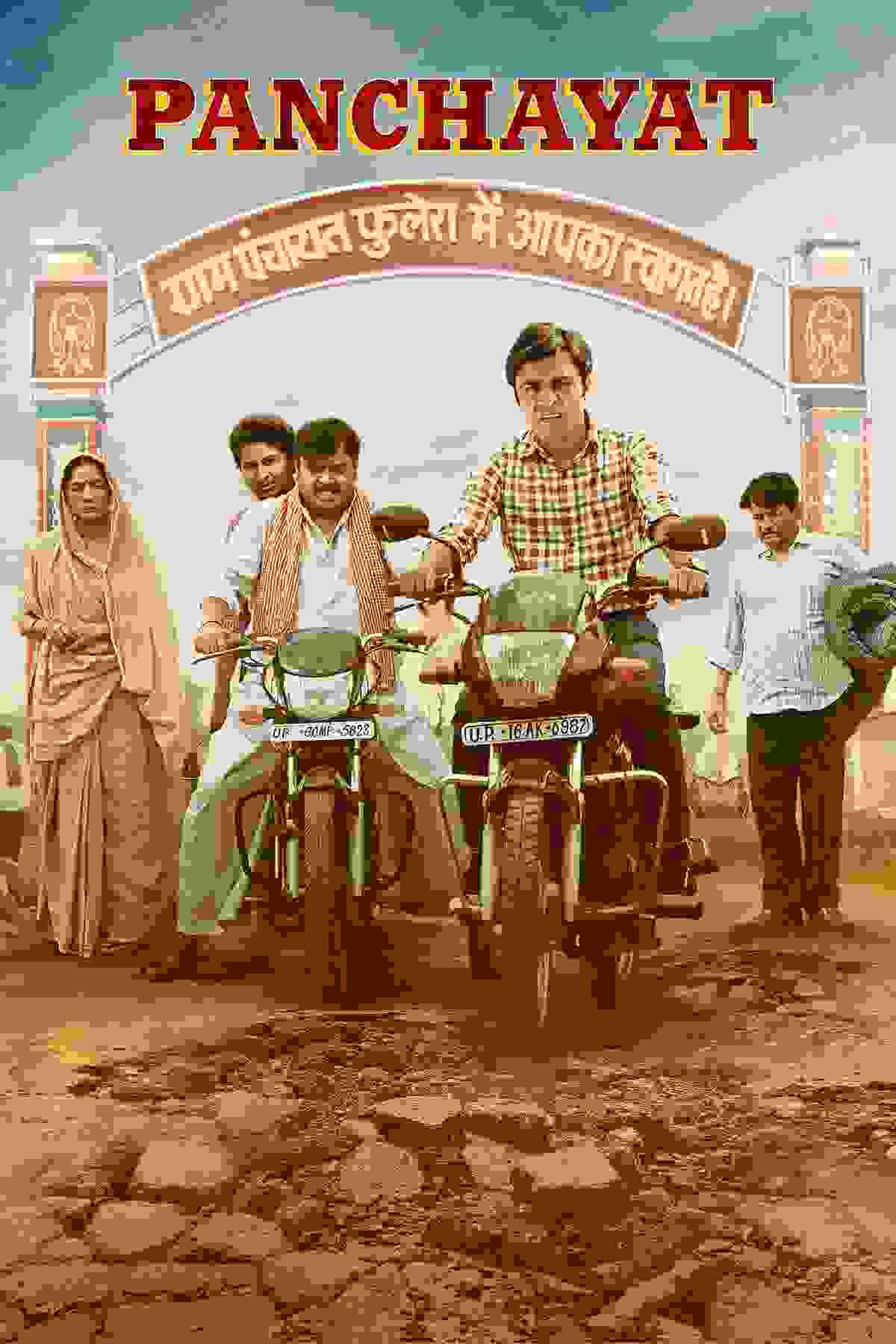
Panchayat
Amazon Prime
Indian Soap Operas are famous for their glamour, lack of content, unrealitic drama, and kitchen politics. They are primarily focused on women fighting among themselves, for reasons nobody knows; while men stand next their spouses or mothers making all kinds of wierd faces. It is still a mystery what men do for their living and why they spend most of their time at home. More importantly, how the family is so rich without anyone having a real job.
Panchayat, luckily, is the Black Swan among the Indian TV. A story of an aspirant graduate who is preparing for MBA at the Indian Institutes of Management, a group of elite Indian Institutions. As happens to many aspirants, the man takes a side job as a government secretary. Work during the day, study during the night. But unfortunately, he is posted to a remote village called "Phulera" in the Indian State of Uttar Pradesh, where things move at an extremely slow pace. Electricity is unreliable and roads barely exists. And then there is village politics.
Fustrated as he is, the show goes through authentic life of villagers and their issues, which may seem remote to urbanties, but are so real for the rural populations. How to enforce government policies when villagers' are against them. For example, limiting a family to two children may seem a good policy. But do you convince a man with five children that government is interfering in his personal choices.
Not all is bad for "Sachiv ji", as the man is referred to by the villagers. He apparantly has crush on the daughter of the "Pradhan", village's elected chief. Subtle romance and local politics, with small group of friends and enemies, keep "Sachiv Ji" entertained in the village. He has a chance to leave, but chooses against it.
Each episode caters to unique problems of Indian villages, and the show reflects them in its utmost raw form. Finally, a true Indian drama that the world can peek into.